It is a trend to take protein powders by athletes, but teenagers should consume dietary protein and not waste money on expensive protein supplements and powders. The main target of the protein supplementation industry is these teens who are convinced that to fulfill their protein requirements; they must get protein powders. Teens may consume protein powders if they suffer from body image issues.
 According to recent research, too much protein from protein supplements can cause long-term health issues in teens, especially organ damage. According to research contain toxic heavy
metal
s and many toxic ingredients that may be harmful to teenagers.
According to recent research, too much protein from protein supplements can cause long-term health issues in teens, especially organ damage. According to research contain toxic heavy
metal
s and many toxic ingredients that may be harmful to teenagers.
Football, baseball, field hockey, swimming, basketball, and cross country are just a few of the competitive sports high school students play. And, just like adult athletes, they’re looking for an edge. With ads for protein powder everywhere and drool-worthy protein shake recipes on every health blog, it’s unsurprising that some teens are trying protein supplements to boost their game. And protein powders have attractive benefits. Protein is made up of essential amino acids, which are the building blocks of muscle. In one study, men using resistance training to build muscle were given either a protein supplement or a placebo.
Protein powders are an easy and healthy way to top up your protein intake. Add them to a smoothie, into your favourite recipe, or simply mix with your choice of water or milk. They’re a great option for active people, athletes, growing teens, during pregnancy and breastfeeding, or in later life when protein requirements increase. If you’re always on the go or following a vegetarian or vegan diet, protein supplements are a convenient way to up your protein intake. You’re spoilt for choice with the wide range of our most popular protein powders.
Nov. 19, 2012— -- teens may be chugging protein shakes and taking other muscle-enhancing supplements more often than previously thought, a new study found. According to a self-reported survey conducted among adolescent males and females, nearly 35 percent said they used protein powders and shakes, while almost 6 percent reported using steroids, according to study author maria eisenberg of the university of minnesota in minneapolis, and colleagues. Both both behaviors were more common among boys versus girls. Read this story on www. Medpagetoday. Com. In comparison, recent studies with population-based samples of u. S. Youth have indicated that 8 percent of females and 10.
Best whey protein powder for teens
If your child gets more protein than they need, it won’t be used efficiently. Rather, it may impose a metabolic burden on their organs. In addition, high-protein/high-meat diets may also be associated with an increased risk for coronary heart disease or even cancer. There are several side effects that your child might experience, such as:
digestive issues. If you give your child whey protein powder, they may have problems digesting it.
 This could cause symptoms such as bloating, gas, cramps, and diarrhea. Most of these side effects are due to lactose intolerance. Weight gain. If your child takes in more protein than he needs, his body will store the excess calories as fat.
Drink wholesome is the best protein powder for teens. It is additive-free, dairy-free, and made with real foods, not protein isolates – 99% of supplements fail to meet at least one of these criteria. This makes it perfect for people with gut issues and sensitive stomachs, as well as for people just looking to boost their protein intake without the processing and added junk. Order samples to see if our protein powder is right for you. ★★★★★ “it has ingredients you can actually pronounce and is freaking delicious. ”-kallie.
Protein shakes are probably the most popular of all the sports supplements. You can’t seem to go anywhere these days without seeing someone sipping from their shaker or a pouch or ready-made drink stocked on the shelves. But what exactly are they? simply put, they’re just protein (usually whey) in powder form that you mix with water or milk or add into other things like smoothies and even pancakes and other baked delights. It’s no magic pill or quick fix, simply the ingredients that you can get from regular whole foods. But they offer a quicker, more convenient and sometimes tastier way to replenish the body after a tough session and to kickstart recovery as well as for a host of other purposes.
Unfortunately, most kids lack the resources necessary to even access collagen rich foods or are not comfortable eating large amounts of animal protein including the connective tissue and organs like the liver, kidneys or bones (to make broth). Due to this culture shift in dietary preferences, potential health repercussions could be: weaker connective tissue we've gotten this question quite a bit via our chat and wanted to address it here, too. Yes, collagen protein powder products are safe for teenagers ranging from 13 to 19 years old. More about what age someone should be to take collagen. With the laundry list of collagen peptides benefits for growing kids/teens/adolescents — it is a great idea to supplement! well, unless your family drinks bone broth and eats bone-in meat everyday.
Best gluten-free protein powder for teens
A 2020 study found 4. 2% of australian boys aged 14-16 were already using anabolic steroids. Photo / getty images question: my 16-year-old grandson goes to the gym five days a week and believes he needs to have large quantities of protein powder to build muscle and support his growth, which is costly. My reading suggests research into the efficacy of protein powder for teens is missing, so it may be a waste of money. Do you agree? answer: protein-supplement use among adolescents often indicates deeper body-image issues. A recent us study worryingly found that teens who use protein supplements for muscle building are more likely to adopt dangerous muscle-building behaviours, and were 2-5 times more likely to use steroids in the future.
Stress and attention issues are common in tweens and teens. Parents struggle to find natural and effective first-line options to address these challenges. Inspired by teens' needs, ramp! up the day provides a functional and curated nutrition solution for modern life. Made with high-quality plant-based protein, prebiotic fiber, reishi, and critical nutrients, ramp! up the day uniquely offers 6-in-1 support to promote eye, immune, bone, hormone, brain, and gut health. Ramp! up the day easily becomes a part of a daily routine. The convenient format and delicious, rich chocolate flavor make this supportive powder both teen and parent-approved.
Teenagers go through a period of rapid growth and development, which makes their nutritional needs crucial to ensure optimal health. One question that often arises is whether protein powder is good for teens. In this article, we will explore the role of protein in a teen's diet and discuss the pros and cons of protein powder, as well as alternative sources of protein. Additionally, we will touch on the importance of consulting with health professionals to make informed decisions regarding a teen's nutritional needs.
"the recommended daily allowance for a 13-year-old is 34 grams a day," dr. Nandi told popsugar. "girls between 14 and 18 years of age need 46 grams, and boys of that same age need 52 grams. " protein drinks already have about 30 grams of protein, and that makes it easy for teens to exceed their daily allowance, especially since they're designed to taste just like a milkshake. "overdoing protein powders or drinks can actually be harmful," dr. Nandi said. "it can lead to calcium loss, dehydration, and kidney problems, especially if supplements contain creatine. " protein is an essential nutrient in a teenage diet, but taking protein supplements is completely unnecessary.
Best vegan protein powder for teens
While you shouldn’t randomly give your child protein powder, there are very rare scenarios where it may make sense to provide a protein supplement. Specifically, if your child has been diagnosed with a medical condition, they are underweight, they have a metabolic condition, or are eating a vegan or vegetarian diet, it’s possible that they may need a protein supplement. There’s no benefit to giving your child protein powder unless it’s been prescribed or recommended by your pediatrician. If it is recommended by a medical professional, it’s crucial you follow your doctor’s recommendations so you know what ingredients to look for, and the right amount in order to prevent adverse effects.
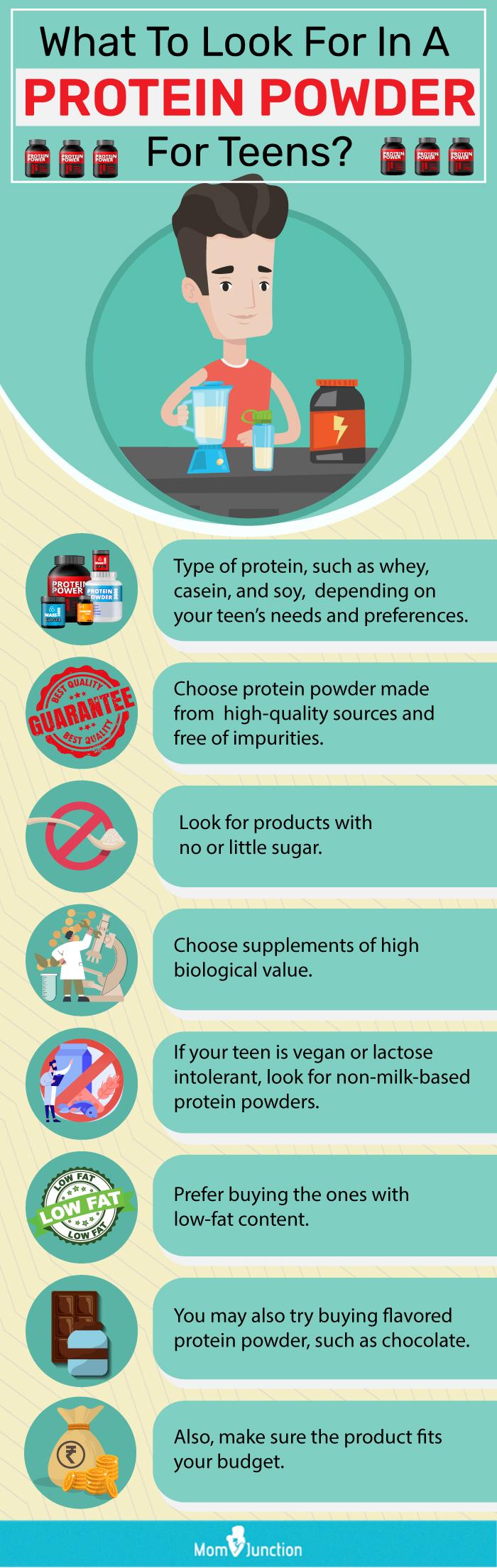
Protein powders come in various forms. The three common ones are whey, soy, and casein protein. “whey is the most commonly used, because it’s a water-soluble milk protein,” says peter horvath, phd, associate professor in the department of exercise and nutrition sciences at the state university of new york at buffalo. “it’s also a complete protein, so it’s got all those advantages. ” (complete proteins contain all nine of the amino acids necessary for human dietary needs. ) people who are vegan may prefer soy protein, although horvath notes that its taste is sometimes considered to be more unpleasant, and it doesn’t dissolve as well in water.
As there are plenty of protein supplements available for use in the market, you have to make a smart choice that best fits your needs and can offer the best outcome you are looking for. Suppose you are looking for a protein supplement that can help you build muscle, you should choose a protein powder with a high biological value (bv). For weight loss, choose supplements that have no added sugars. For a vegan choice, avoid milk-based protein shakes (like whey and milk proteins), and go for plant proteins-soy, pea and hemp.
Protein shakes for teens without powder fitmiss delight was designed specifically with the womans goals in mind, hence the low, 90 calories per serving. It features whey protein concentrate and an ingredient called solathin potato protein extract, which is a 90% protein isolate that delivers a 40% concentration of protease inhibitorsincluding pi-2, a protease inhibitor that signals both the brain and the gi tract that the stomach is full. As a result, this could really help to lose those extra pounds, and 16g of protein is very respectable for helping to maintain and build muscle mass in combination with an effective exercise regime.
Best protein powders for teens that have egg protein
Whenever possible, protein should come from real food. “i always say food first,” watt says. High-quality protein can be found in lean meats such as chicken or beef; fish; eggs; dairy such as milk, yogurt, soy milk, cheese and cottage cheese; beans and legumes; and nuts and nut butters. Spinach is also a good source of protein. If your child is not getting enough protein from real foods, you can supplement with a protein shake. However, not all protein powders are created equal. Make sure whey or a plant-based protein source is the first ingredient listed on the nutrition label.
Suggested read – protein shakes vs. Egg- post workout- which one is best? so the question that arises is whether or not are protein supplements safe for teenagers? protein shakes have traditionally been in use with adults for the longest time known, however, this hasn’t stopped the new teen athletes to try them as well, for easier protein acquisition. Even with the rise of use of protein shakes for teens by those under 18, protein shakes for teenagers seem to be still a product of caution as they may or may not lead to health risks in growing adolescents. Read on to find the answer to your question – are protein shakes for teens safe?.
Most nutritionists agree that protein powders for teens, while generally not harmful, are unnecessary.


No comments:
Post a Comment